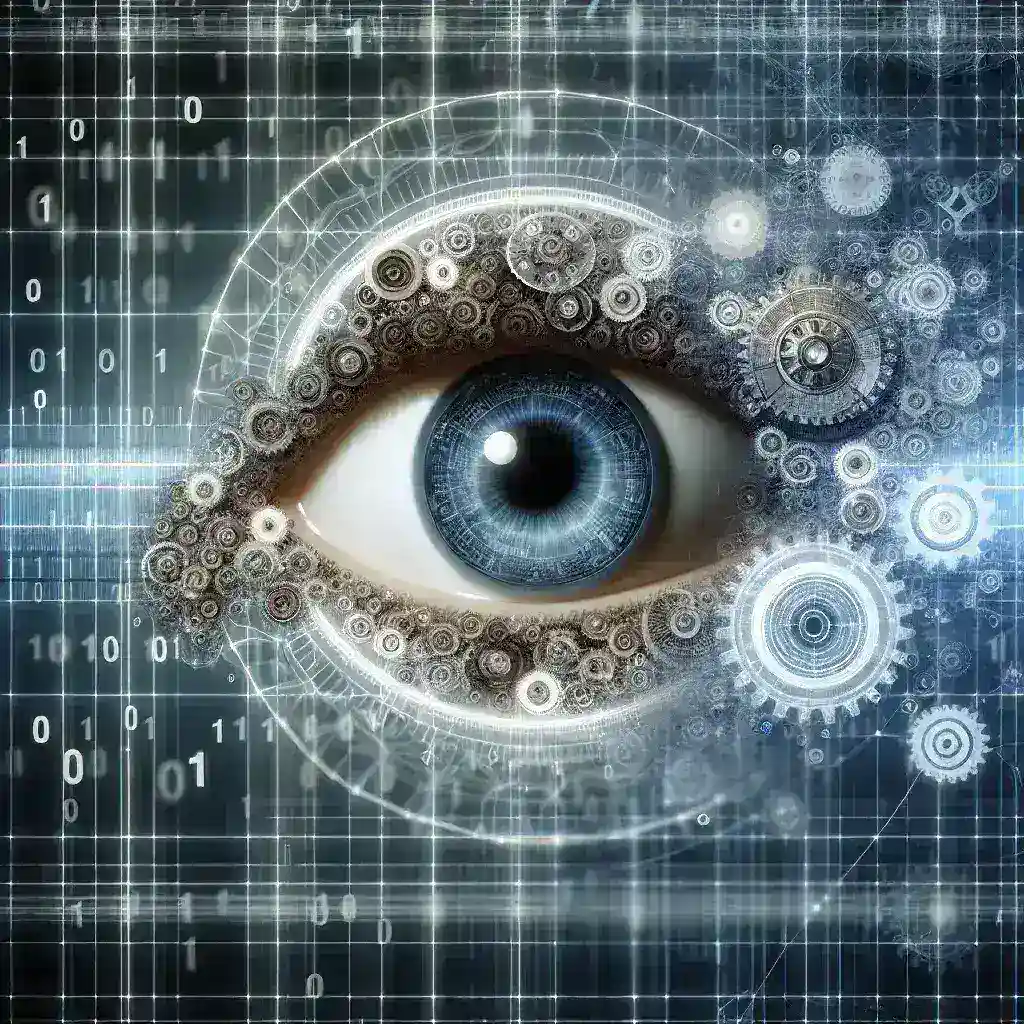
Introduction to AI in Image Recognition
Artificial Intelligence (AI) has revolutionized various fields, and one of the most significant impacts has been seen in image recognition. This technology enables machines to interpret and understand visual data, allowing for a multitude of applications across different industries.
What is Image Recognition?
Image recognition refers to the ability of software to identify objects, people, places, and actions in images. Utilizing algorithms and machine learning models, AI systems can analyze visual content and categorize it accordingly. This technology is becoming increasingly sophisticated, allowing for more accurate and efficient processing.
How AI Powers Image Recognition
- Deep Learning: AI employs deep learning techniques, particularly convolutional neural networks (CNNs), to process and recognize image patterns effectively.
- Data Processing: Large datasets are used to train AI algorithms, which helps improve their accuracy and functionality over time.
- Real-time Analysis: With advancements in computational power, AI can now perform image recognition in real time, enhancing user experience in various applications.
Applications of AI in Image Recognition
The applications of AI-driven image recognition are vast and diverse, making a significant impact in several sectors:
1. Healthcare
AI assists in analyzing medical images, such as X-rays and MRIs, enabling early detection of diseases and improving diagnostic accuracy.
2. Security and Surveillance
Facial recognition technology is widely used in security systems, helping to identify individuals and monitor environments for safety purposes.
3. Retail
Image recognition can enhance the shopping experience by enabling visual search, allowing customers to find products simply by taking a picture.
4. Automotive
In the automotive industry, AI facilitates advanced driver-assistance systems (ADAS) that rely on image recognition for features like lane detection and obstacle recognition.
Benefits of AI in Image Recognition
- Increased Accuracy: AI-powered image recognition systems provide higher accuracy compared to traditional methods.
- Efficiency: These systems can process vast amounts of data quickly, saving time and resources.
- Automation: Automating the recognition process reduces human error and enhances productivity.
Challenges and Future of AI in Image Recognition
Despite its advancements, AI in image recognition faces several challenges, including:
- Data Privacy: Ensuring user data is protected is paramount, especially in sensitive applications.
- Bias in Algorithms: Training data needs to be diverse to avoid biases in recognition.
- Integration: Implementing AI systems seamlessly into existing infrastructures remains a challenge.
Looking forward, the future of AI in image recognition holds promising advancements, including greater accuracy, real-time analysis, and expanded applications across various sectors.
Conclusion
AI has significantly enhanced the field of image recognition, enabling machines to interpret visual data more effectively than ever before. As technologies evolve, we can expect even more innovative applications that will continue to transform industries and improve our daily lives.
Leave a Reply